
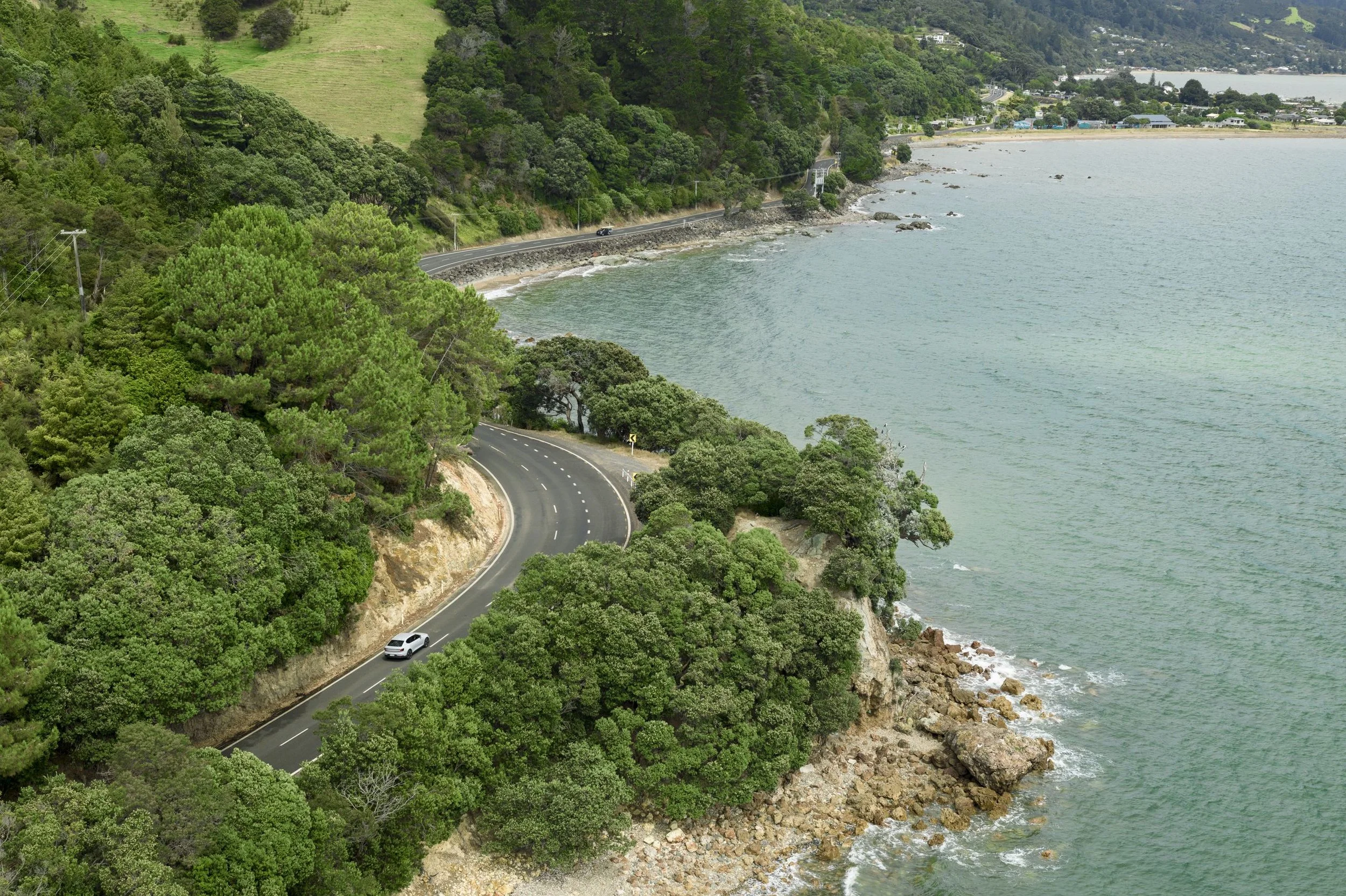
Your New Zealand Self-Drive Travel Guide
Everything you need to explore Aotearoa at your own pace — from the best driving seasons to unmissable routes and practical road trip essentials.
New Zealand is made for the open road. With world-class highways, stunning scenery around every corner, and freedom to go wherever the mood takes you, a self-drive holiday here is one of the world's great travel experiences.
Use this guide to understand when to visit, what to see, how to get around, and how to make the most of every day on both islands. And when you're ready, our team is here to build your perfect itinerary from scratch.
Scroll down or download the guide:
When to Visit · Essential Info · North Island · South Island · Rail & Ferry · Planning Tips · FAQ
When to Take Your Road Trip
New Zealand rewards visitors year-round — but each season offers a very different kind of adventure behind the wheel.
☀️ Summer — Dec to Feb
18°C – 28°C
Peak road trip season. Long daylight hours mean you can cover serious ground without feeling rushed. Book accommodation well in advance — popular routes like the Milford Road and the Coromandel fill up fast. Ideal for beach stops, hiking, and ferry crossings.
🍂 Autumn — Mar to May
12°C – 22°C
Our personal favourite for self-drive touring. The crowds have thinned, the roads are clear, and the South Island's landscapes blaze with golden colour. Wine regions like Marlborough and Hawke's Bay are at their harvest best. Great value on accommodation too.
❄️ Winter — Jun to Aug
5°C – 15°C
A quieter, more dramatic New Zealand awaits. Snow-capped peaks, steaming geothermal valleys, and uncrowded roads make for unforgettable drives. If you're heading to alpine areas, snow chains may be required — our team will advise on this when building your itinerary.
🌿 Spring — Sep to Nov
12°C – 20°C
New Zealand shakes off winter and bursts into colour. Lambs dot the hillsides, wildflowers line the roadside, and waterfalls are at their most dramatic. A wonderful time to drive the South Island before the summer rush begins.
West Coast Drive - South Island
Essential Info for Self-Drive Visitors
A few things worth knowing before you collect your keys and hit the road.
🚗 Driving in New Zealand
Drive on the left-hand side of the road
Speed limits: 50 km/h in towns, 100 km/h on open roads
Seatbelts are compulsory for all passengers
Many scenic routes are on winding, single-lane roads — allow extra travel time
A valid overseas or international licence is accepted
💵 Currency & Payments
New Zealand uses the New Zealand Dollar (NZD). Credit and debit cards are accepted almost everywhere, including remote towns and petrol stations. It's worth carrying a small amount of cash for rural markets, farm gate stalls, and honesty boxes (a very NZ institution!).
⏰ Time Zones
New Zealand Standard Time is UTC+12. During daylight saving (late September to early April) clocks move forward to UTC+13. The Chatham Islands run 45 minutes ahead of mainland NZ — handy trivia if you end up that far off the beaten track.
🔌 Power & Connectivity
Voltage: 230V / 50Hz
Plug type: Type I (angled flat pins — same as Australia)
4G coverage is strong in cities and main tourist routes
Remote areas (Fiordland, West Coast) have limited signal — download offline maps before you go
⛽ Fuel & Road Conditions
Petrol and diesel are widely available. In rural areas, fill up whenever you get the chance — some stretches between stations can be 100+ km. Check the NZTA Journey Planner and MetService before driving alpine passes in winter or wet weather.
🌿 The Tiaki Promise
New Zealand asks all visitors to travel responsibly — respecting nature, wildlife, and local communities. We're proud supporters of the Tiaki Promise. Simple things like staying on marked tracks, packing out your rubbish, and not approaching wildlife make a real difference.
North Island vs South Island — What to Expect
Both islands are extraordinary — and genuinely different. Here's a taste of what's waiting on each side of the Cook Strait.
North Island
Bay of Islands
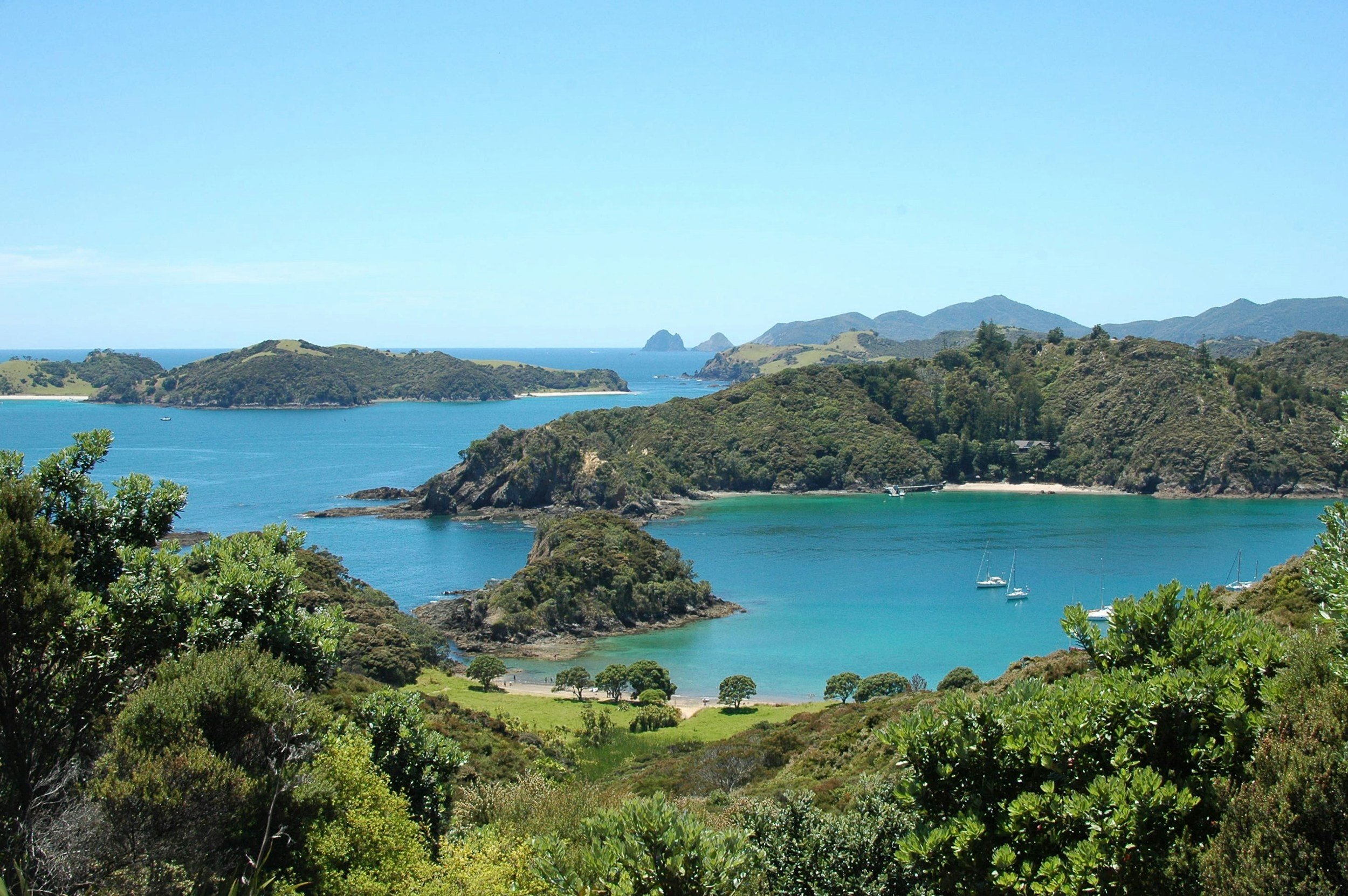
Pristine harbours, dolphin encounters, and the birthplace of New Zealand as a nation. A spectacular drive north from Auckland.
Coromandel Peninsula
Volcanic peaks, kauri forests, and golden beaches — Cathedral Cove is worth every twist of the coastal road.
Rotorua
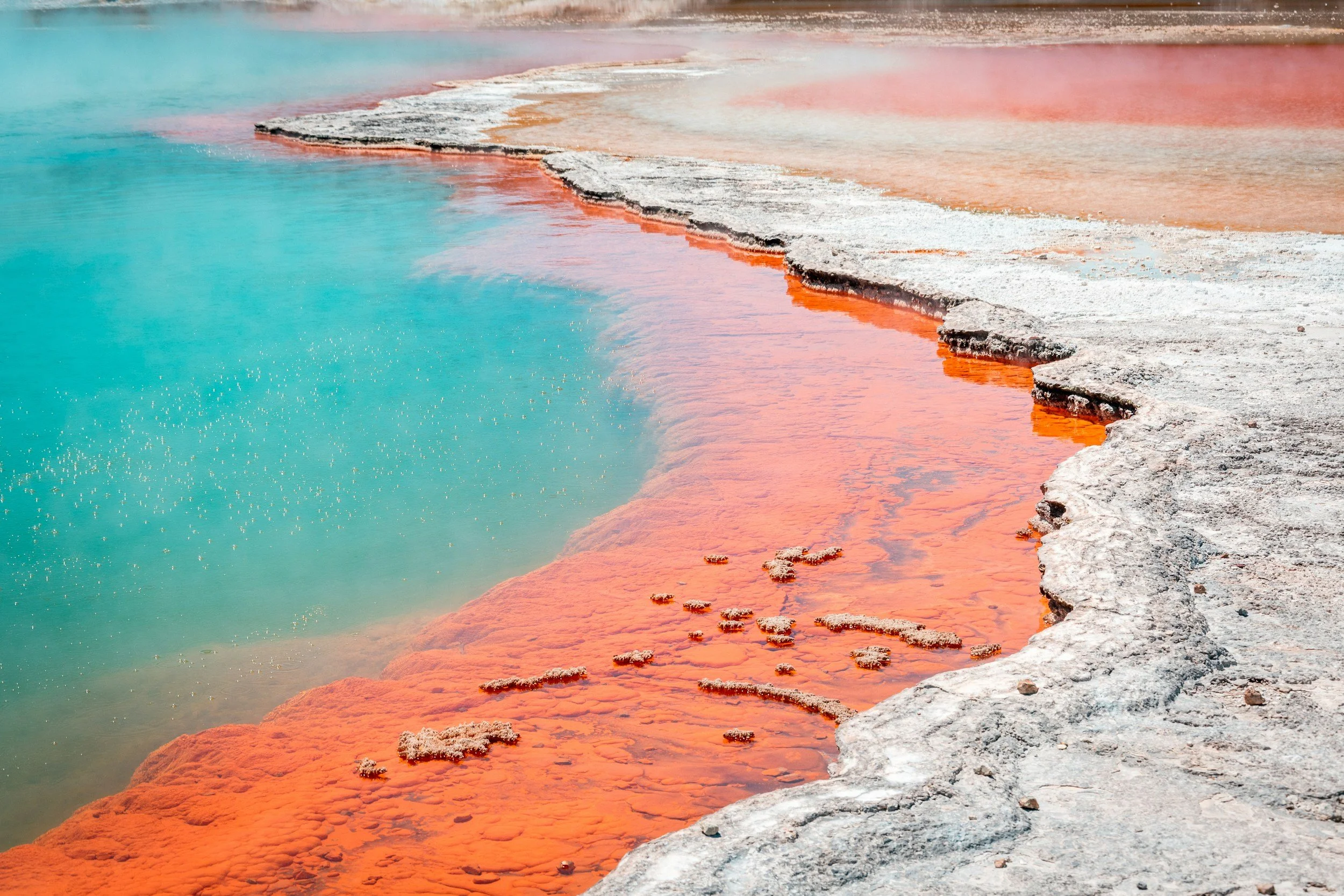
Geothermal wonders, bubbling mud pools, and a deep connection to Māori culture. A must-stop on any North Island road trip.
Tongariro National Park
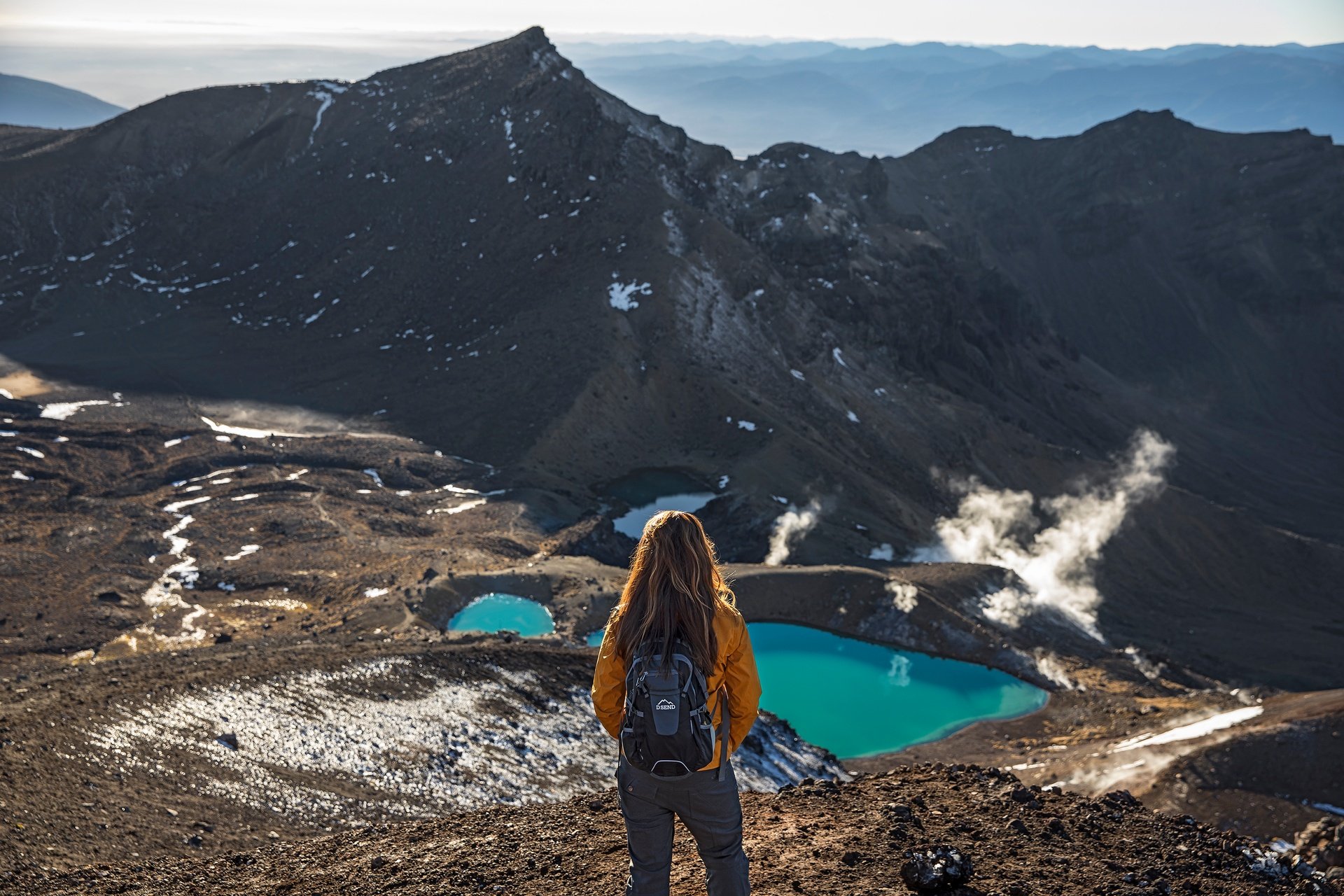
Home to the Tongariro Alpine Crossing — one of the world's great day walks — and the brooding volcanic peaks used as Mordor in Lord of the Rings.
Hawke's Bay & Napier
New Zealand's Art Deco capital, surrounded by world-class vineyards and orchards. A charming overnight stop on the drive south.
Wellington
A compact, walkable capital full of great coffee, Te Papa Museum, and the gateway to the South Island via the Interislander ferry.


South Island
Marlborough Sounds & Wine Region
Step off the ferry into one of the world's great sauvignon blanc regions, with stunning waterways and wildlife at every turn.
Kaikōura
Whale watching from the roadside — literally. This coastal town sits at the foot of dramatic mountains and next to a canyon rich in marine life.
Christchurch
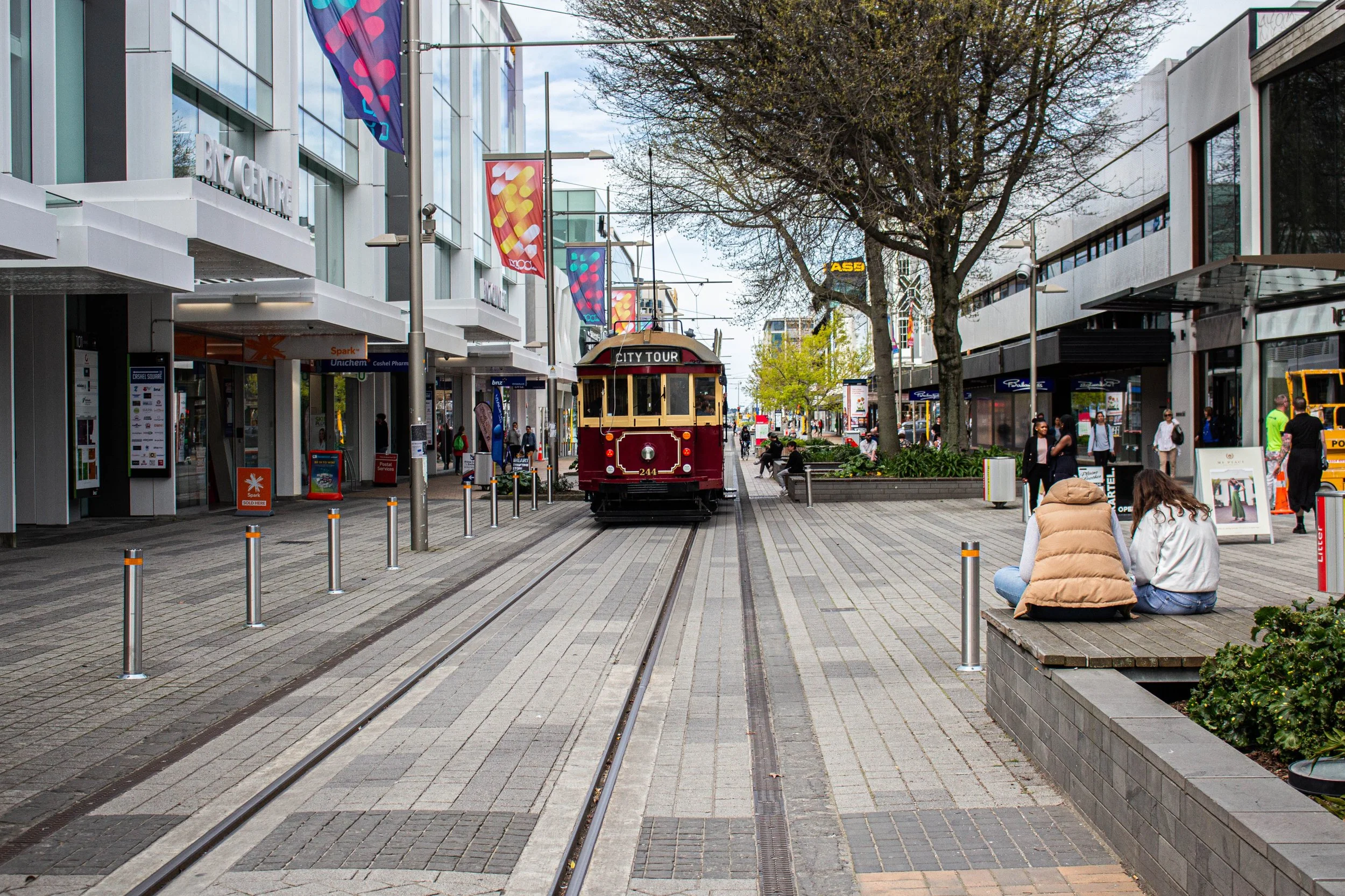
A revitalised garden city with a creative spirit. An excellent base for exploring Canterbury and the start of the classic South Island loop.
Aoraki / Mount Cook
New Zealand's highest peak, reflected in the glacier-fed waters of Lake Pukaki. The drive in is jaw-dropping on a clear day.
Queenstown
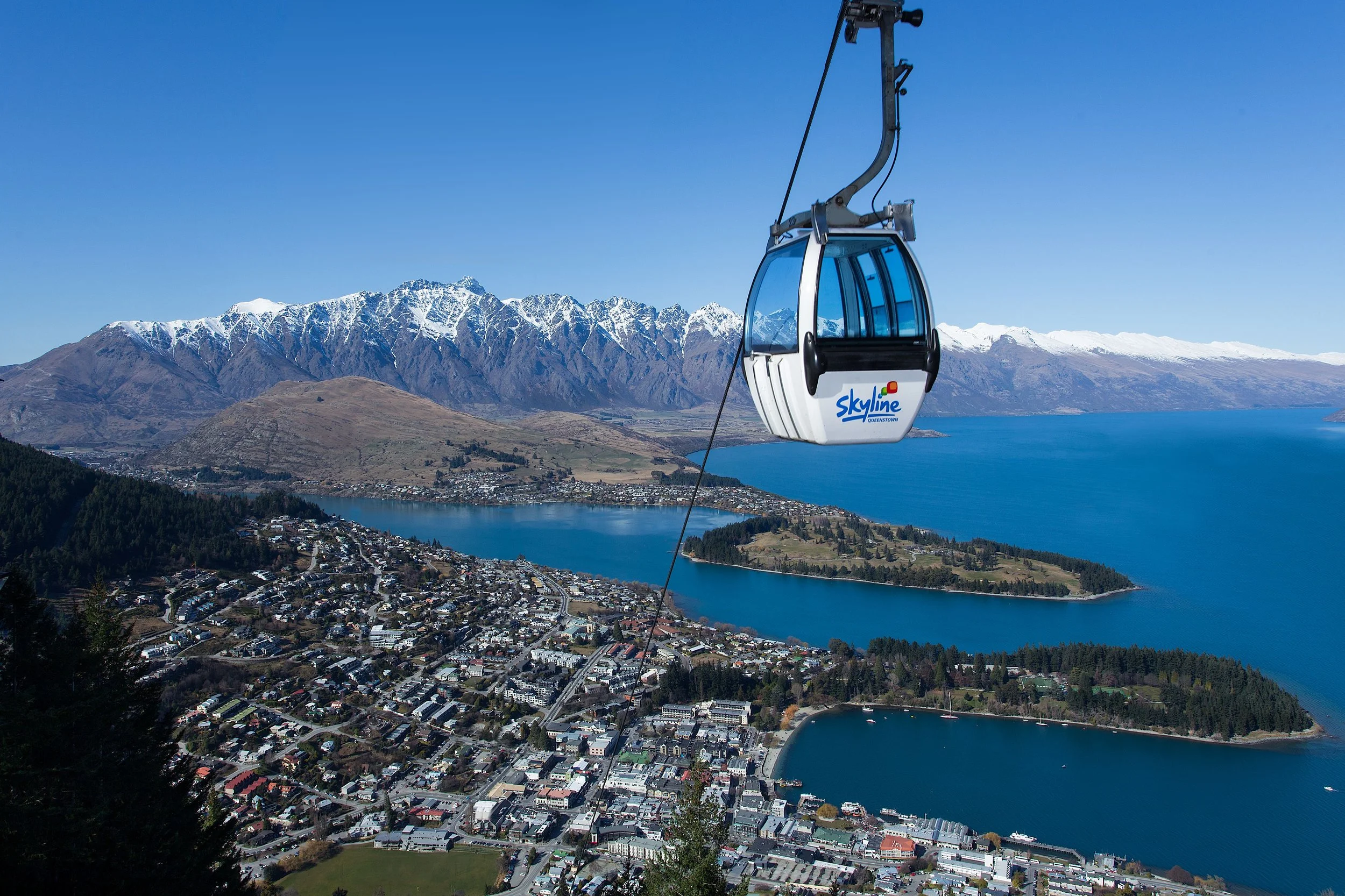
Adventure capital of the world. Whether you're after bungy jumping, lake cruises, or simply the most dramatic alpine scenery on earth, Queenstown delivers.
Fiordland & Milford Sound
The drive to Milford Sound is an experience in itself — tunnels, glacial lakes, and sheer rock faces before the fiord reveals itself in all its grandeur.
Unmissable Driving Routes
New Zealand punches well above its weight when it comes to scenic roads. These are the drives that belong on every road tripper's list.
The Interislander Ferry Crossing
Wellington → Picton · 3.5 hours
Crossing Cook Strait on the Interislander is one of the world's great ferry journeys. The approach into the Marlborough Sounds — weaving between forested hills and mirror-calm water — is genuinely breathtaking. Drive your rental car straight on board.
Milford Road
Te Anau → Milford Sound · 119 km
Arguably New Zealand's most dramatic drive. Glacial lakes, ancient beech forest, the one-lane Homer Tunnel, and then the sudden reveal of Milford Sound. Allow a full day — you won't want to rush this one.
The Pacific Coast Highway
Auckland → Napier · North Island East Coast
Winding down the East Cape past cliffs, surf beaches, and remote Māori communities, this route ends in the art deco elegance of Napier. One of New Zealand's most underrated drives.
Haast Pass
Wanaka → Fox Glacier · 145 km
Crossing the Southern Alps through a World Heritage landscape, Haast Pass connects the South Island's interior with the wild West Coast. Waterfalls, ancient rainforest, and almost no other cars.
Thermal Explorer Highway
Auckland → Wellington · Central North Island
Linking Auckland to Wellington via Rotorua, Taupo, and Tongariro, this route takes in geothermal wonders, New Zealand's biggest lake, and volcanic national park scenery. A perfect introduction to the North Island.
The Kaikōura Coast
Picton → Christchurch · State Highway 1
Mountains on one side, ocean on the other, and one of the richest marine environments in the southern hemisphere running alongside the road. Fur seals and sperm whales are regular sights on this spectacular coastal drive.
7 Tips for Planning Your Self-Drive Holiday
We've helped hundreds of travellers plan their perfect New Zealand road trip. Here's what we've learnt.
Allow more time than you think you need
New Zealand is deceptively large — and the scenery makes it almost impossible to drive past without stopping. We recommend at least 14 days; 21 days gives you room to breathe and explore properly.
Book accommodation and activities early for summer travel
If you're visiting between December and February, popular lodges, holiday parks, and Milford Sound cruises book out months in advance. Aim to lock in your core accommodation at least 4–6 months ahead.
Decide on one island or both — and plan your crossing
You don't have to do both islands on one trip. If you do, factor in the Interislander ferry crossing: departures are twice daily and the return leg needs to be booked in advance during peak season.
Choose the right vehicle for your itinerary
A standard rental car suits most self-drive routes. If you're heading off the beaten track — the Catlins, Cape Reinga, or Skippers Canyon — a high-clearance 4WD gives you more freedom. Campervans are a brilliant option if you want total flexibility.
Download offline maps before you leave the city
Connectivity drops off quickly in rural New Zealand. Download your Google Maps or Maps.me routes offline before you head into Fiordland, the West Coast, or the East Cape.
Pack for four seasons, every day
New Zealand weather is famously changeable — especially in alpine areas and on the West Coast. Even in summer, pack a waterproof layer and a warm mid-layer. The rule locals swear by: if you don't like the weather, wait 20 minutes.
Let us handle the planning
From choosing the right car to mapping out daily routes, booking accommodation, and adding locally-run activities along the way — our team takes the hard work off your plate so you can focus on the driving. Every itinerary is fully customised to your interests, budget, and travel style.
Ready to Hit the Road?
Tell us a bit about your dream trip and we'll put together a custom self-drive itinerary — tailored to your pace, your interests, and your budget. No two roads trips are the same.
-
Christine (CAN) 12 Day Ultimate Southern Adventure - March 25
“Writing to you from the airport— thank you again for all your time, effort, and support in organizing this trip. It took something that felt like an insurmountable feat (ie organizing a three week road trip / first solo travel experience to the other side of the world) and turned it into a manageable, enjoyable, and truly unforgettable experience. I will forever be grateful to you and your entire team. I hope to visit again soon.”